The short answer
You judge the quality of an ensemble on five criteria: musical quality (via live recordings, not studio work), professional behaviour, experience with comparable events, flexibility with a backup plan, and transparent pricing agreements. Four of the five you can assess yourself, without any musical training.
Why this is harder than it seems
Judging musical quality requires a trained ear. Most clients — wedding couples, event managers, HR officers — don't have one, and that's completely normal. The question is: how do you make an informed choice without being a musician?
The answer is that musical quality is only one of five criteria that determine whether an ensemble is right for your event. The other four are equally important — and you can assess those yourself.
Criterion 1: musical quality
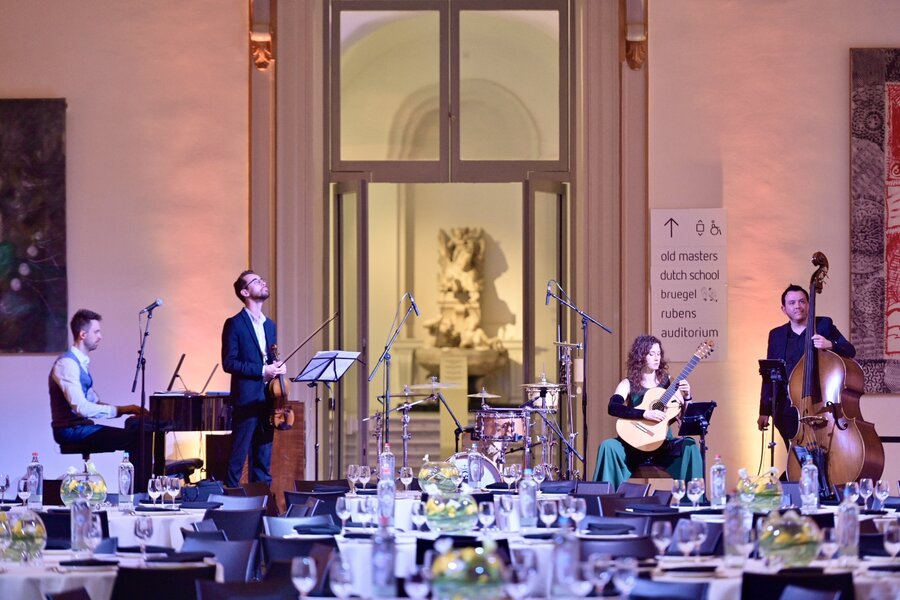
Start by listening to live recordings — not studio productions, since those are always polished. Look for videos of performances in conditions comparable to your event: a wedding ceremony, a gala dinner, an outdoor event.
What to look for, even without musical training:
- Intonation: do the instruments sound in tune together, or is there a slight dissonance?
- Ensemble feel: do they play as one whole, or can you hear them individually?
- Volume control: does the volume adapt to the room, or is it always equally loud?
- Response to the audience: does the ensemble play along with the mood in the room?
Criterion 2: professional behaviour
This is the criterion most clients forget — and the most decisive for how an event unfolds. An ensemble that's musically excellent but communicates unprofessionally, arrives late, or is difficult about the setlist is a bigger risk than a slightly less accomplished ensemble that coordinates everything perfectly.
Concrete signs of professionalism:
- Fast, clear communication from the first contact
- A detailed quote without pressure to decide quickly
- A professional contract with clear cancellation terms
- Willingness to discuss your specific wishes
- Proactive questions about your venue, your audience and your programme
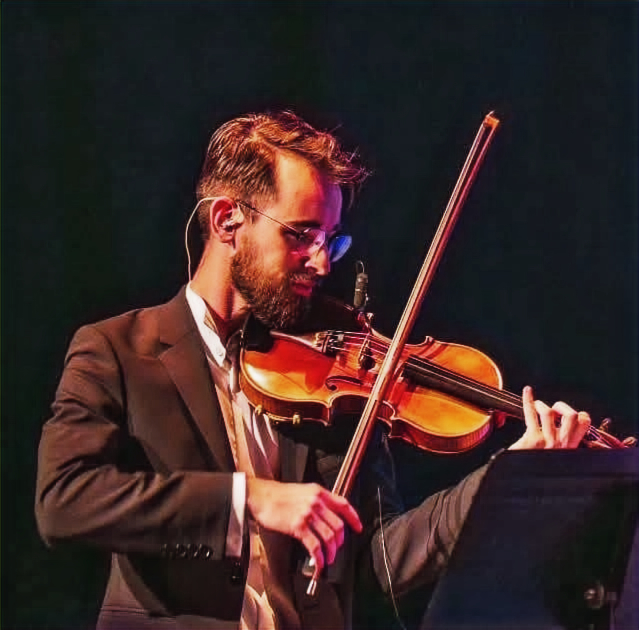
"The best indicator of quality isn't how an ensemble sounds on video — it's how they respond to your first email. A professional ensemble replies quickly, asks the right questions, and makes clear they understand what your event requires. That tells you more than ten videos." Reinout Pauwels — music consultant at De Muziekvitrine
Criterion 3: experience with comparable events
An ensemble excellent in small jazz cafés can disappoint at a church ceremony for 200 people. The acoustic challenges, timing the music to the movements of the ritual, handling emotional moments — that requires specific experience.
Always ask: "How many weddings do you play per year?" or "Do you have experience with a gala dinner in a historic building?" A concrete answer — "We play about 40 weddings a year" — is more reassuring than a vague "Yes, we do that regularly."
Criterion 4: flexibility and a backup plan
What happens if a musician falls ill on the day itself? A professional ensemble has a backup — a list of substitutes who can step in on short notice and know the repertoire. Anyone without an answer to that question isn't a professional ensemble but a group of friends making music.
Ask it explicitly: "What's your backup plan if one of the musicians falls ill?" The answer says a lot.
Criterion 5: transparency on price and contract
A quality ensemble works with a clear contract that fixes playing time, fee, cancellation terms and technical requirements. Anyone who can't produce a contract, or who works verbally without written confirmation, isn't a professional partner for your event.
| Criterion | Good sign | Warning sign |
|---|---|---|
| Musical quality | Live videos of comparable events | Studio material only |
| Communication | Fast, concrete, proactive | Vague, slow, unclear |
| Experience | Concrete numbers and types | "We do that regularly" |
| Backup plan | Direct, concrete procedure | No answer |
| Contract | Written, detailed | Verbal or vague |
Why an agency does this work for you
Assessing the five criteria above takes time and requires knowledge of the sector. A music agency has already done this work — not once, but continuously. We hear ensembles live, evaluate their professional behaviour with every collaboration, and only keep working with those who consistently meet all criteria.
That's what you're buying when you book via De Muziekvitrine: not just an ensemble, but the assurance that the ensemble has more than earned its reputation.
And the underlying question — why that professional level is worth its price — we answer in why professional musicians make the difference.